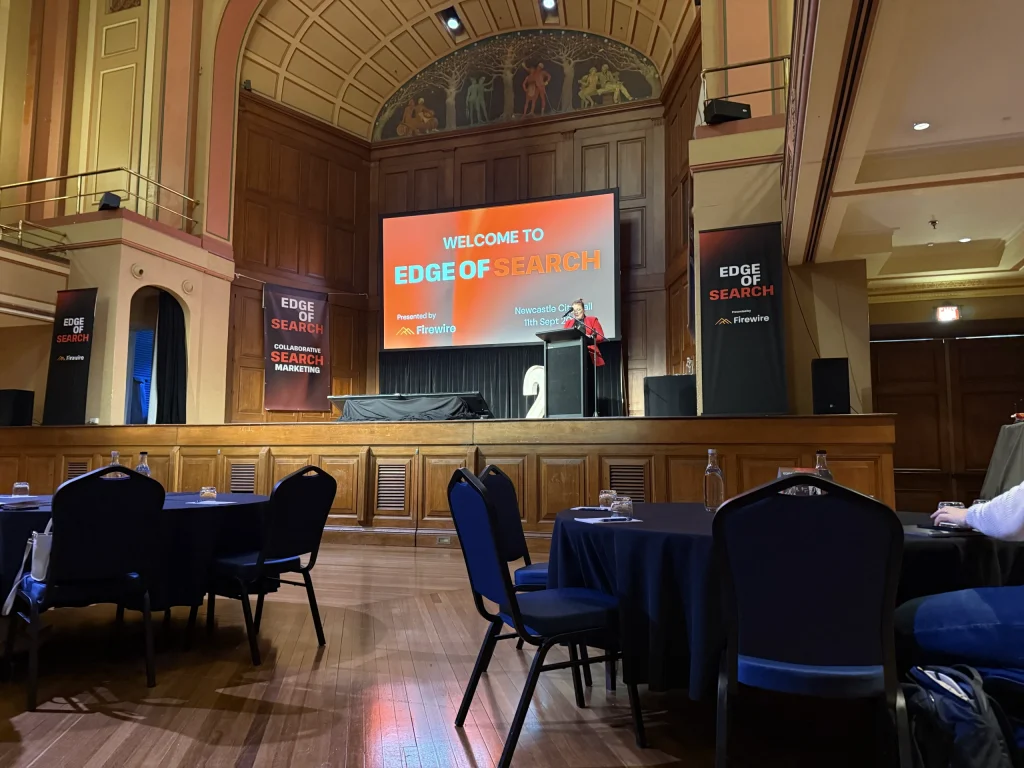
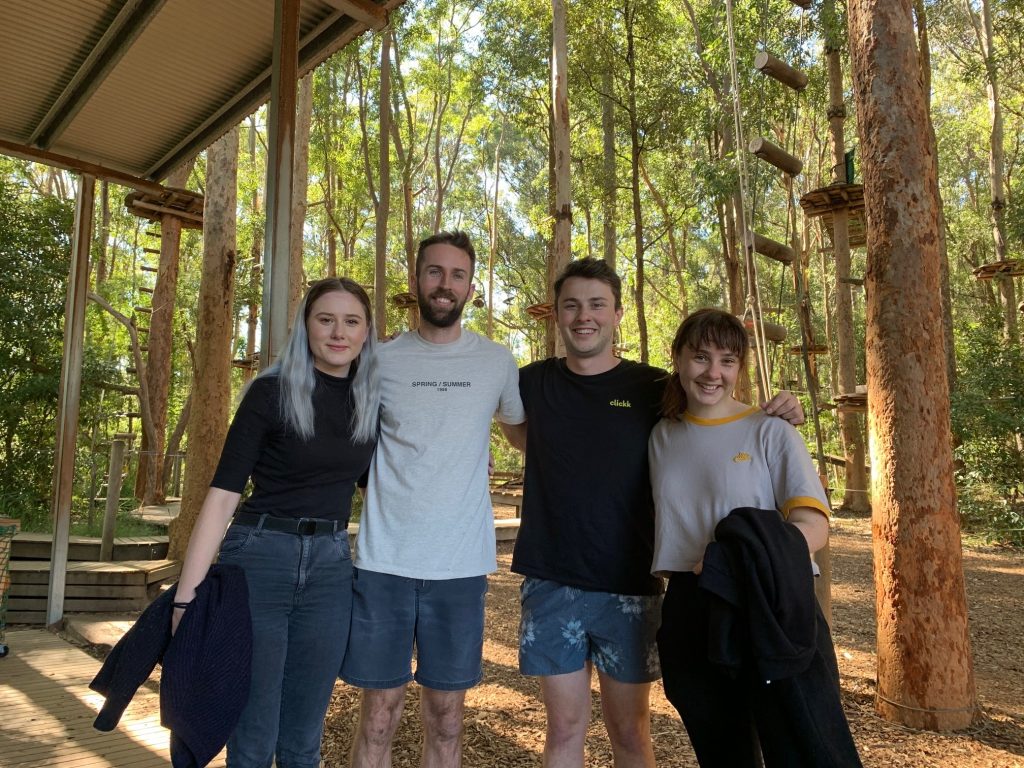
Gorilla 360 recently brought together a room of B2B marketers for LinkedIn Unlocked, with Madeleine Jeffreys, LinkedIn’s Head of Scaled Agency for ANZ, sharing where the platform is heading and what marketers should be paying attention to.
The afternoon covered a lot of ground, from changing buyer behaviour and AI search to campaign benchmarks and case studies. But the most useful part was Gorilla 360’s five-part framework for running LinkedIn Ads effectively. It was practical, easy to understand and gave marketers something they could actually take back to their teams.

B2B buyers are changing, but not in ways that will surprise you
The event opened with a familiar message: B2B marketing needs to move beyond impressions, clicks and other surface-level metrics and show a genuine impact on the business.
Buying committees are getting younger, audiences are more sceptical of polished brand messaging and people increasingly want to hear from someone they trust. A useful post from an industry expert or customer can carry more weight than another carefully produced company ad.
None of that will be particularly surprising to experienced B2B marketers, but the benchmark data helped put some weight behind it. Based on the figures shared at the event, LinkedIn now attracts the largest share of B2B advertising budgets and is delivering stronger returns than both Google Search and Meta in the examples presented.
The case studies brought that to life. A legal technology company improved its return on ad spend by turning a customer testimonial into a series of short Thought Leader Ads. A fintech business significantly reduced its cost per lead after properly connecting LinkedIn’s Conversions API with its attribution tools. A cybersecurity company almost doubled its leads without increasing its cost per lead.
As with any platform-led event, the case studies naturally focused on the strongest results. Still, they offered a useful indication of what can happen when the platform, creative and tracking are all working together.
The five ingredients of a strong LinkedIn Ads campaign
The most valuable part of the session was Gorilla 360’s “success formula”: five practical ingredients that give a LinkedIn campaign the best chance of working.
There was nothing overly complicated in the framework. That was part of what made it useful. It pulled the fundamentals together into one clear checklist.
1. Start with the right audience size
Gorilla 360 recommended aiming for an audience of roughly 20,000 to 80,000 LinkedIn members.
Go too narrow and the algorithm does not have enough data or room to learn. Go too broad and the campaign can quickly start spending money on people who were never likely to become customers.
The other important point was to target the full buying committee rather than focusing only on the final decision-maker. The person signing the contract may not be the person researching the options, comparing suppliers or recommending who makes the shortlist.
They also suggested combining job function with seniority instead of relying too heavily on job titles. Titles vary enormously between businesses, while job functions and levels of responsibility usually provide a clearer picture of who someone is and the role they play in a purchase.
2. Give the campaign enough time and budget to learn
LinkedIn is not usually the cheapest platform on a cost-per-click basis, which can make businesses nervous in the early stages of a campaign. But judging it against Meta after a few weeks misses the point.
The recommendation was to treat the initial budget as an investment in learning rather than money that needs to produce an immediate return. Allowing around six months gives the platform time to gather data, identify what is working and improve campaign performance.
A starting budget of around $3,000 per month was presented as a reasonable floor. That will not suit every business, but it does highlight an important reality: LinkedIn campaigns need enough budget to generate meaningful data. Switching them off before they have had that opportunity can make it difficult to know whether the channel failed or simply never had a fair chance.
3. Put real people at the centre of the creative
Creative plays a much bigger role in campaign performance than many businesses realise. On a busy LinkedIn feed, the first few seconds matter. If the content does not quickly give someone a reason to stop, they will keep scrolling.
This is where Thought Leader Ads can be particularly effective. Rather than promoting content from a company page, these ads amplify posts from real people within the business. They feel more natural in the feed and allow audiences to hear directly from someone with genuine experience or expertise.
It makes sense when you think about how most of us use LinkedIn. We are more likely to stop for a useful observation from a person we recognise than a polished message from a logo.
4. Offer something useful before asking for the sale
Not every ad needs to push someone straight into a sales call.
Guides, webinars, research, templates and genuinely useful articles can give potential customers a reason to engage without requiring a big commitment. They also help establish credibility before the business asks for contact details or a conversation.
This is a simple idea, but it is a useful check for campaigns that move too quickly from “we exist” to “book a demo.” In B2B, buyers often need several useful interactions before they are ready to speak with anyone.
5. Remove friction from the next step
Once someone is ready to respond, make it easy for them.
Lead forms should be short, ideally only three or four fields, and the follow-up needs to happen quickly. A strong ad can still be let down by a long form, a confusing landing page or a sales response that arrives several days later.
This may be the least exciting part of a campaign, but it is one of the most important. Small points of friction can undo the work that went into the targeting, budget and creative.
Each of these ideas is valuable on its own, but the real strength of Gorilla 360’s framework is how it brings them together into one clear and practical approach. Their value comes from using them together. The right audience will not rescue weak creative, and great creative will not make up for poor follow-up. The framework works because it treats the campaign as a complete system rather than a collection of separate tactics.
AI search is worth watching, but the fundamentals still matter
The second half of the event explored how B2B buyers are starting to use tools such as ChatGPT and Gemini during the research process, sometimes before they ever speak with a salesperson.
LinkedIn also sees an opportunity to become a trusted source for these tools when they answer professional and industry-related questions. The advice for businesses was fairly straightforward: keep company pages current, encourage genuine experts to share what they know and structure content clearly so it is easy for both people and search tools to understand.
There is plenty of noise around AI search at the moment, and not every prediction will prove accurate. Much of the current advice comes back to something marketers should already be doing: publishing clear, useful content that answers real questions.
AI search is worth monitoring, but it should not distract businesses from the fundamentals that already influence campaign performance.
The main takeaway
The strongest takeaway from LinkedIn Unlocked was Gorilla 360’s five-part framework.
Build an audience that is large enough for the platform to learn from, give the campaign enough time and budget to develop, put real people at the centre of the creative, offer something useful before asking for a sale and make the next step as easy as possible.
The rest of the event provided helpful context around why LinkedIn continues to matter for B2B marketing. The framework was the part that turned that context into something a business could actually use.